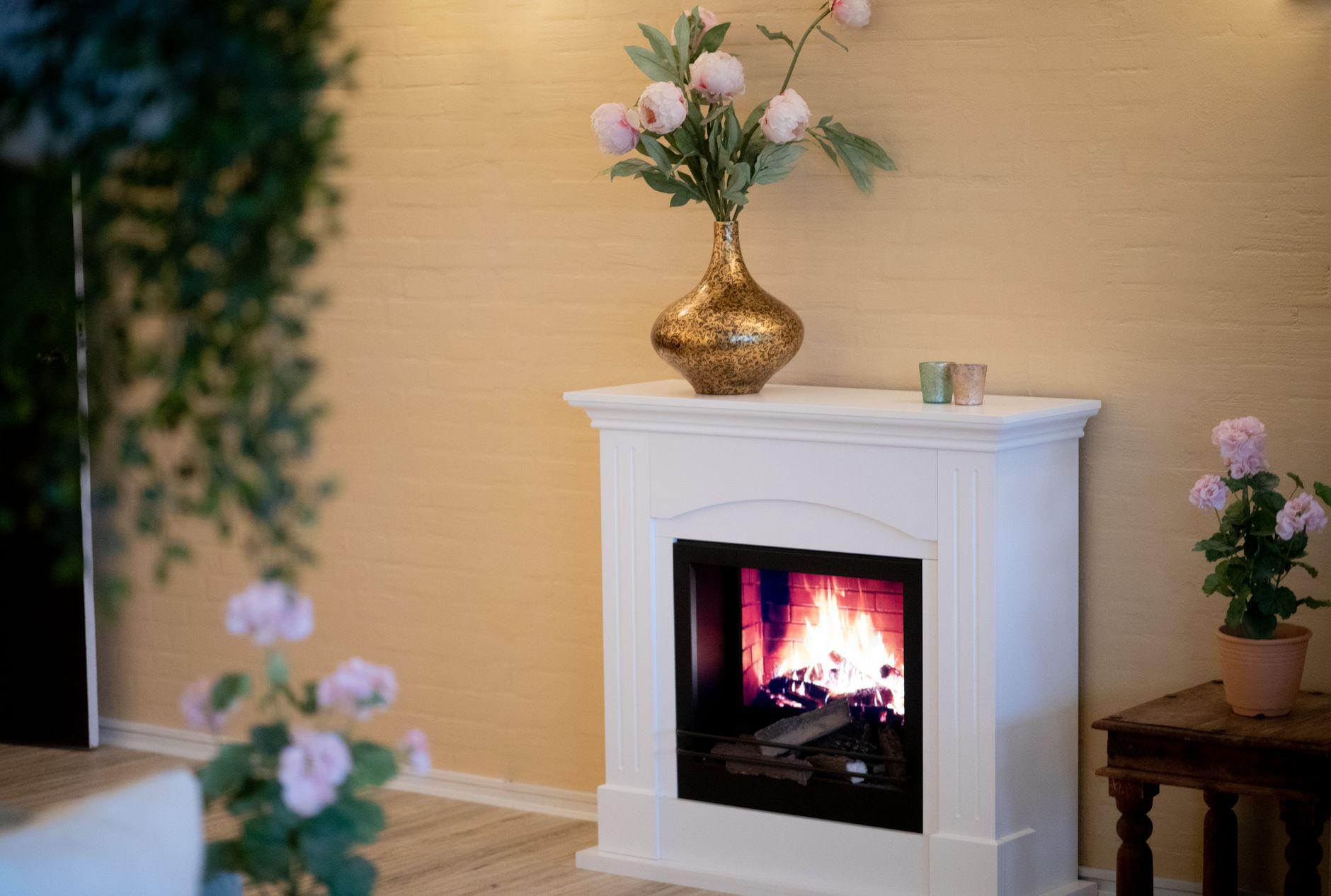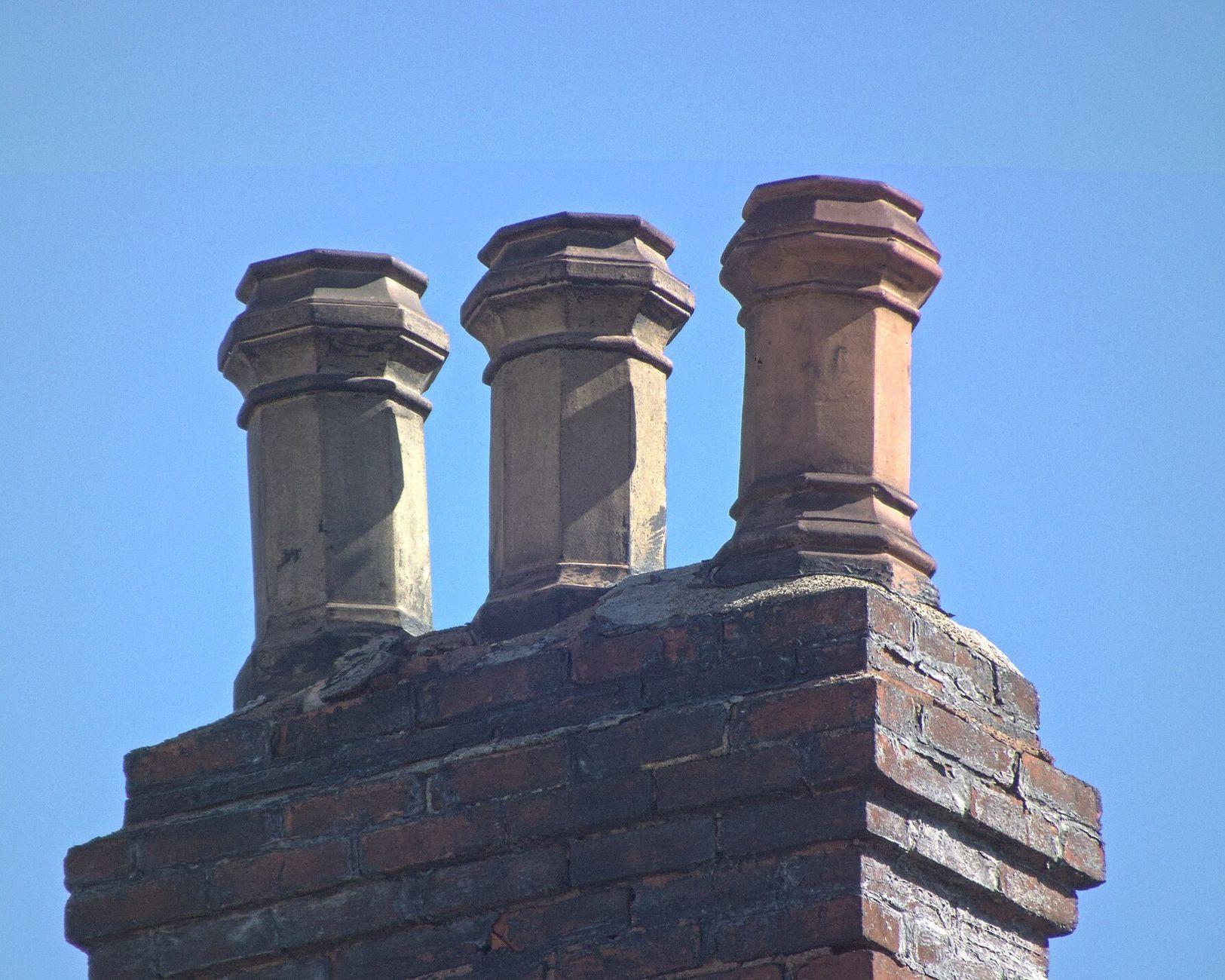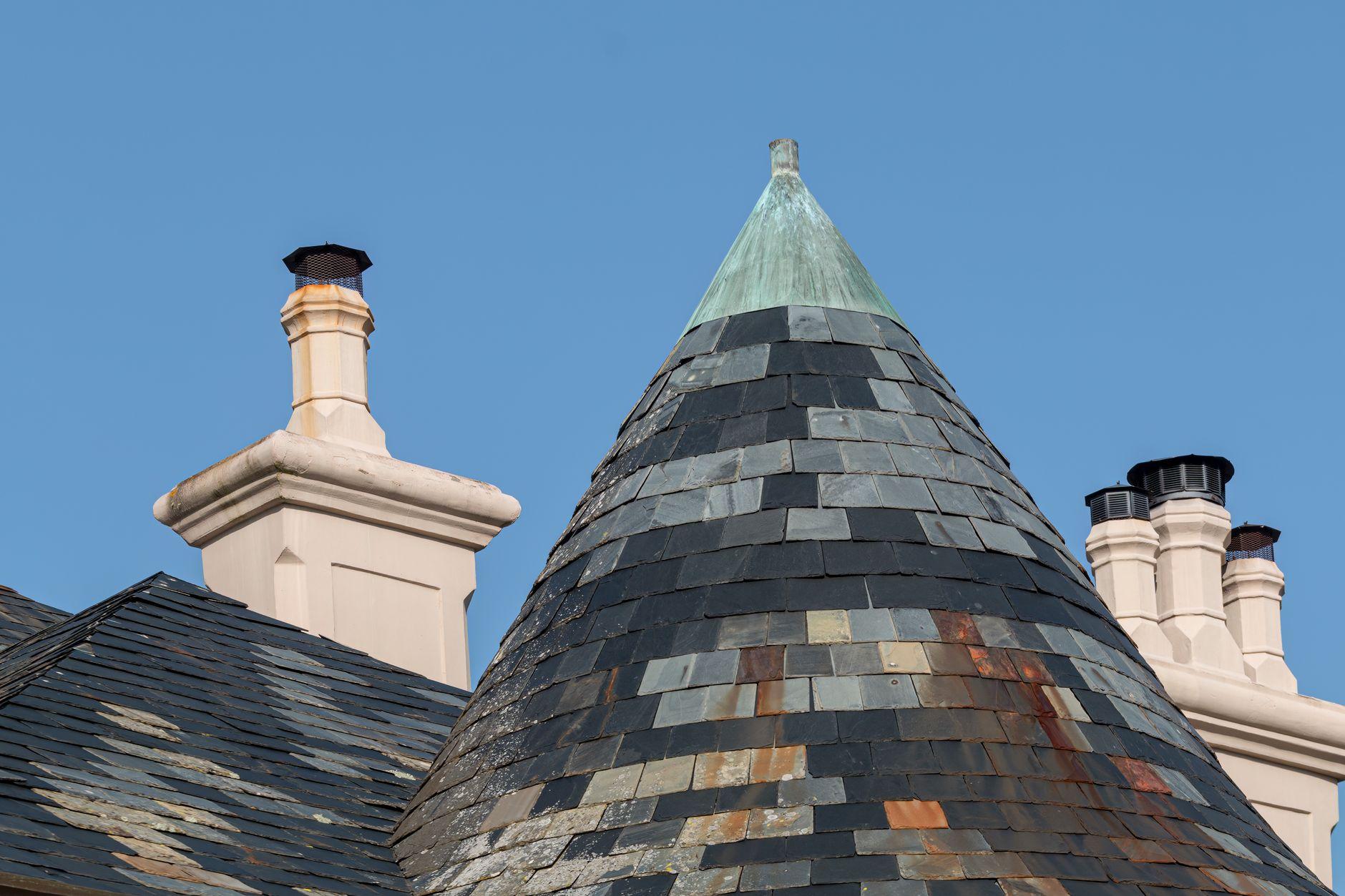
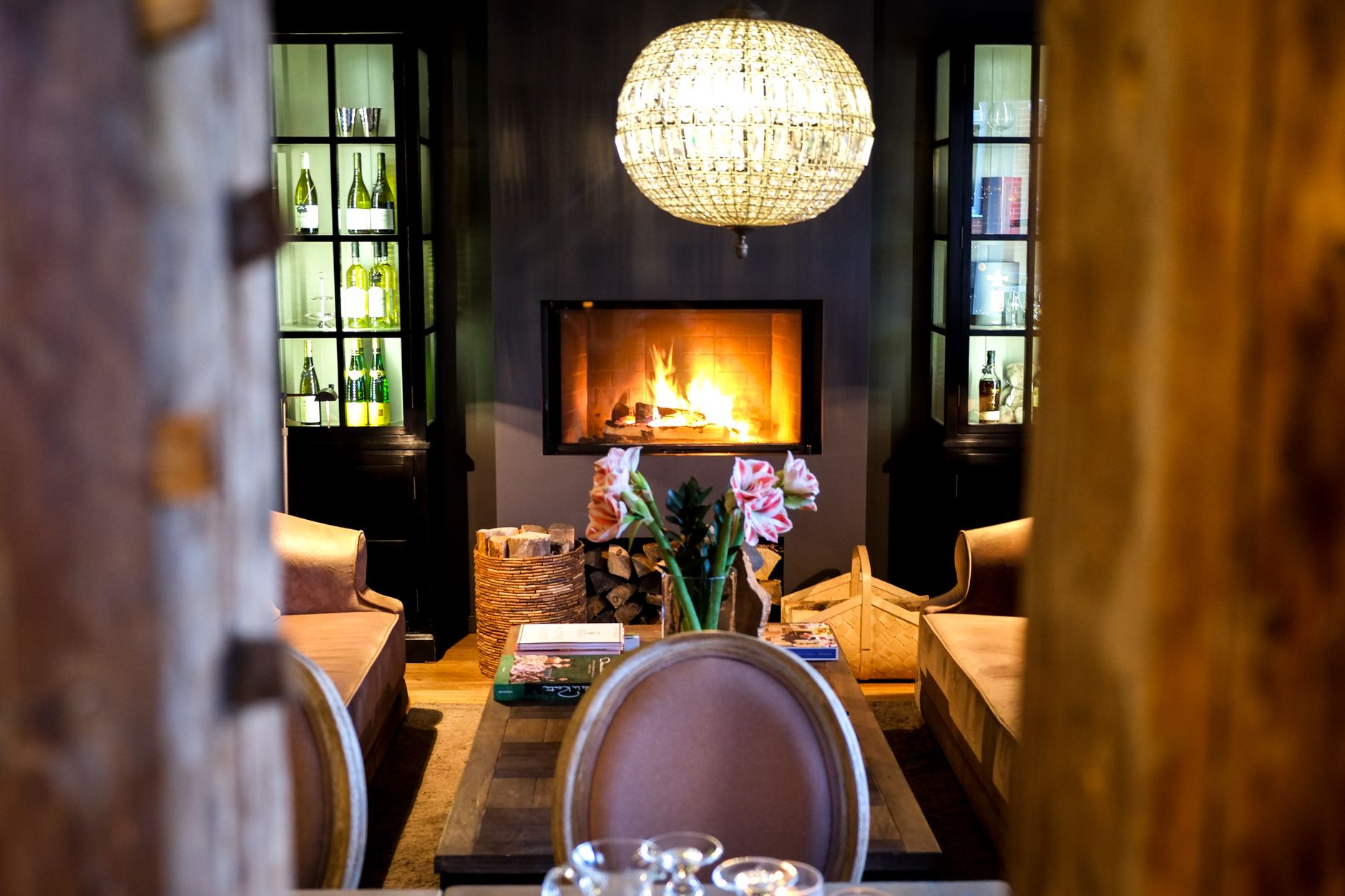
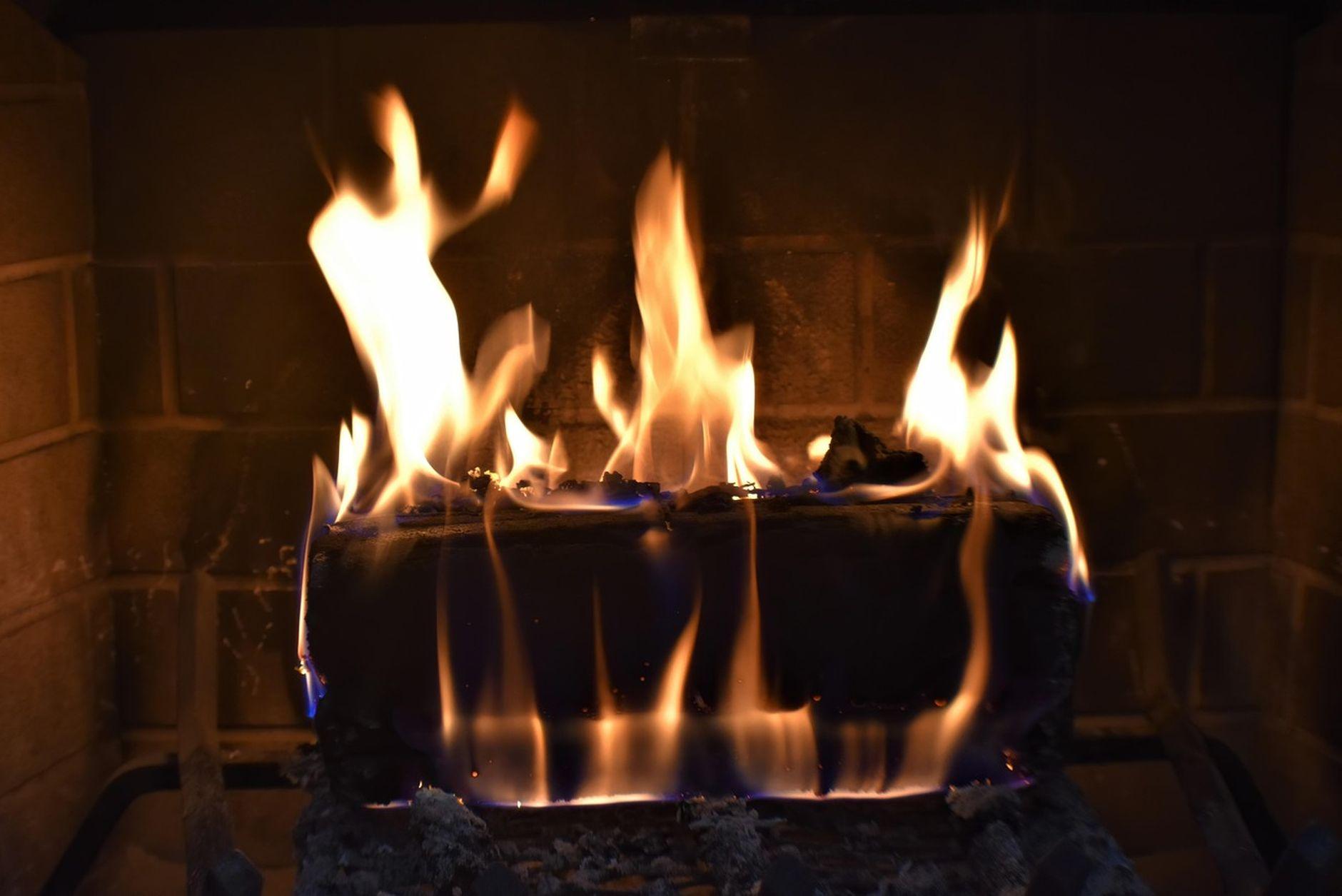
Both put a gas flame where the wood fire used to be, and from across the room they can look alike. They are different purchases. Ceramic logs on a burner pan are a looks upgrade for an open fireplace. An insert is a sealed heater that happens to show a flame. Most owners in La Mirada who ask us about one end up weighing the other, so this page sets them side by side.
In one table
| Point | Gas log set | Gas insert |
|---|---|---|
| What it is | Ceramic logs and a burner in the open firebox | Sealed steel box with glass front and its own vent |
| Heat into the room | Little; much goes up the flue | Most of it, often with a blower |
| Damper | Held open on vented sets | Sealed off; the insert has its own vent |
| Look | Tall, lively flame, open hearth | Flame behind glass, trim around the box |
| Chimney work | Usually little | Two pipes run to the top |
| Our price | Priced once we see the firebox | $2,750 to $5,550 installed |
When logs make sense
Logs suit a fireplace that is mostly there to be looked at. A dining room fireplace lit for guests, a living room in a house with good central heat, a condo where the HOA has banned wood. You keep the open look of the hearth, and lighting it is a turn of a key or a switch.
There are two kinds. Vented sets burn with the damper open and send their exhaust up the chimney. They give the most natural flame and almost no heat. Vent-free sets burn with the damper shut and put their combustion products into the room. They give more heat but come with limits on room size, an oxygen sensor and a rule against use in bedrooms in many places. We go through which one suits your room on the gas logs page.
What drives the price of a log set: the width and depth of the firebox, whether gas already reaches the hearth, the style of log and burner, and whether the set lights with a match, a pilot or a remote. We price it after seeing the firebox, since a set that is too big for the opening is the most common mistake we are called to correct.
When an insert makes sense
An insert suits a fireplace you want to sit beside on a cold night. The sealed box draws its air from outside and sends its exhaust out through its own pipes, so room air is not pulled up the chimney. The steel walls and blower push heat forward. In a family room that used to feel cold with a fire going, the change is easy to feel.
The insert costs more because it is more work: the unit, two pipes run from the firebox to the top of the chimney, a new termination on top, a gas connection and a trim surround. Our installed range is $2,750 to $5,550. A compact unit with a simple face sits at the bottom, a large one with a blower and remote near the top. Our insert cost guide breaks that down further.
The chimney side of the choice
For a vented log set, the chimney still carries the exhaust, so it has to be open, clear and sound. A flue that has burned wood for decades should be swept and looked at before gas goes in; a sweep starts from $415.
For an insert, the old flue becomes a chase for the new pipes. Cracked tile matters less, since the exhaust no longer touches it, but the top of the chimney still matters. The crown and cap have to take a new termination, and a loose top course must be fixed first. A Level 2 inspection at $390 answers those questions before anything is ordered.
What decides it, and what to do next
Three questions settle most cases:
- Do you want heat, or a flame to look at? Heat points to the insert.
- Does the room already have good heat? Yes points to logs.
- Is the chimney in sound shape? If not, the repair comes first either way.
Ask for a gas visit and tell us whether you want warmth or a look, plus how big the room is.
Running costs and upkeep
A log set uses gas while it burns and gives little back as heat, so it is a treat rather than a heater. An insert turns more of its gas into room heat, which is why owners who light it daily feel the difference on the gas bill compared with a furnace heating the whole house.
Both need a yearly look. Logs shift and crack, burner ports clog with dust, and the pilot assembly wears. Inserts add a blower, a glass gasket and the vent caps up top. Our gas fireplace cleaning visit covers both types.
In La Mirada and nearby
Gas is a natural fit for this part of the county. Wood fires are limited on winter no-burn days here; gas fires are not. We install logs and inserts across La Mirada, Whittier and Lakewood. If you are still between the two, the contact page is the quickest way to get someone out to look at the firebox with you.
Turn the Guide Into a Plan
Braxton Chimney Works measures the opening, checks the flue and writes the upgrade options side by side before anything is ordered. The contact page books a visit in La Mirada, Whittier, Lakewood or a nearby town.