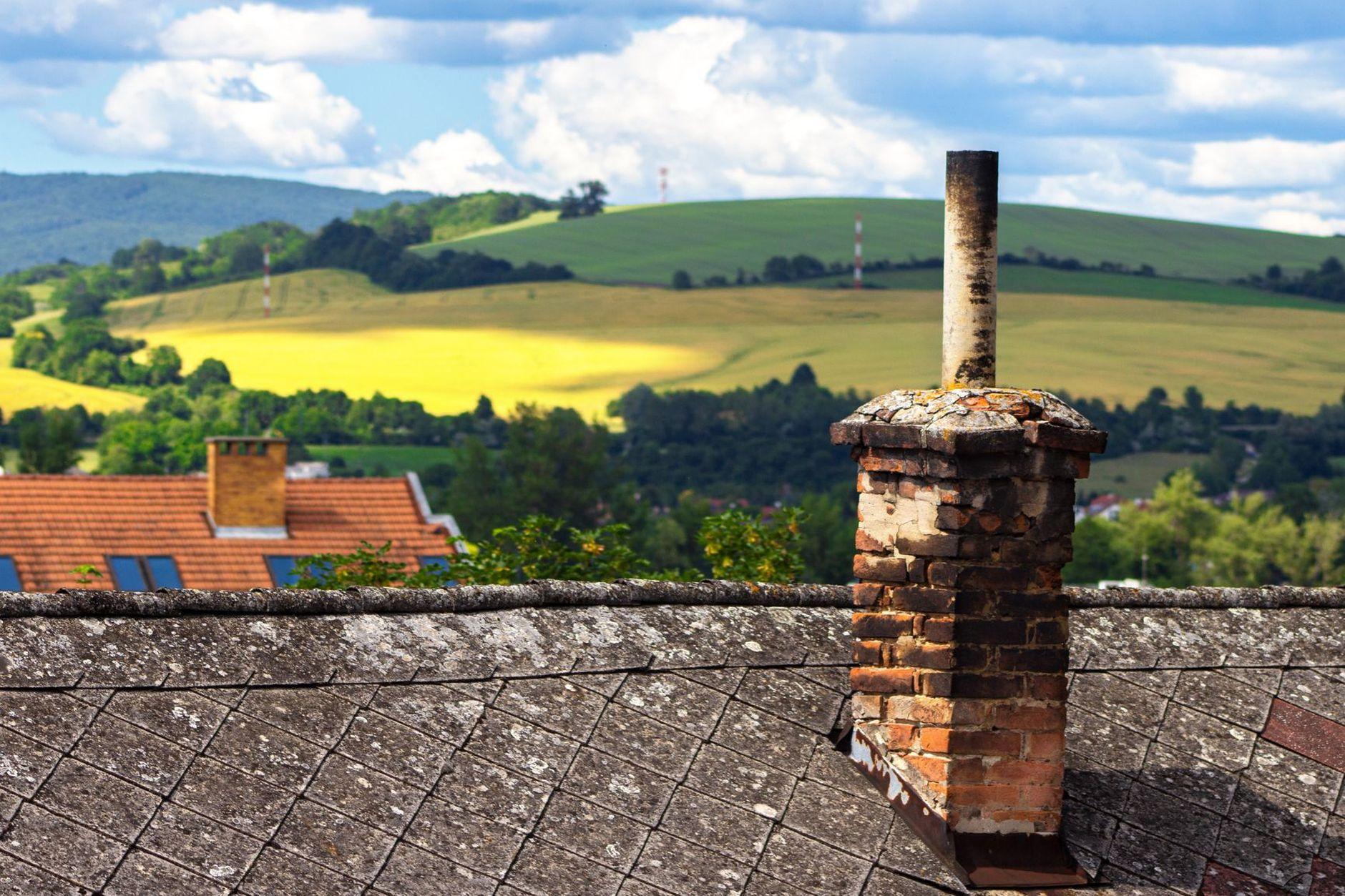
An insert changes how a chimney works. An open fire sent warm, lazy smoke up a big clay flue. A sealed insert sends a smaller, hotter, steadier stream through a pipe sized to its collar. That change is why the chimney gets a proper look before a unit is ordered, not after it is slid into place. For La Mirada owners planning a gas, wood or pellet insert, here is what that look involves, what it costs, and how it shapes the quote.
The rule behind the camera
NFPA 211, the national code for chimneys and vents that inspectors and installers work from, describes three levels of inspection. The deeper one, Level 2, is the one it points to when a fireplace changes the way it is used: a new fuel, a new appliance, or a change in the size of the flue. Fitting an insert into an open masonry fireplace is all three at once.
So before any insert, we run a Level 2. On this site it costs $390.
What the camera answers
A camera fed up the flue shows us the inside of the chimney from the smoke chamber to the top. For an insert, we are reading it for specific things:
- Tile condition. Cracked or missing tiles do not stop a gas insert, whose own pipes carry the exhaust, but they matter for wood, where the liner may need an insulation wrap to make up for the damaged clay.
- Flue size and shape. The new liner has to pass through the old flue without being crushed. An offset or a narrowed spot changes the liner type.
- Smoke chamber. Open joints or loose parging here can let heat reach wood framing.
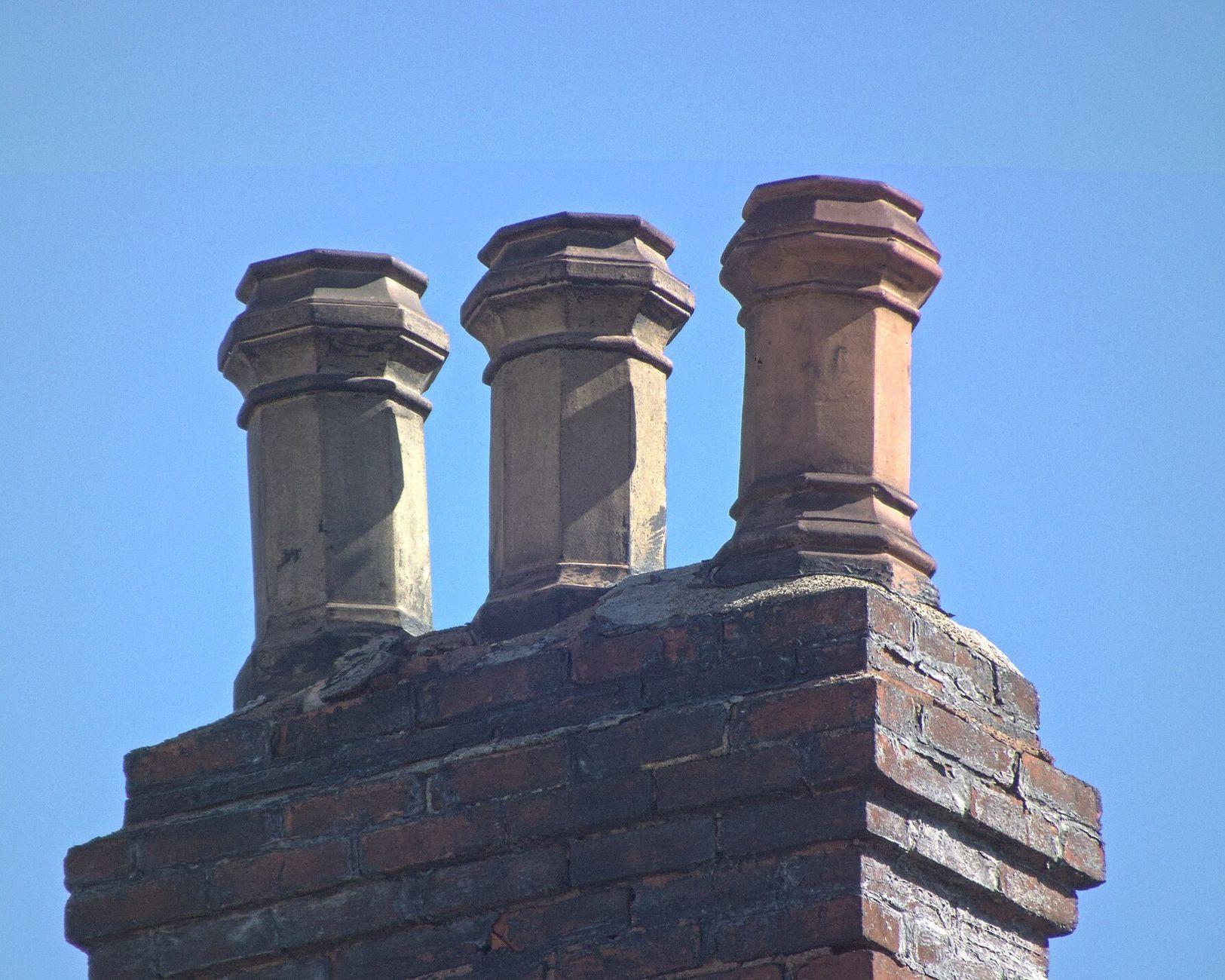
- The top. A broken crown or loose upper brick has to be fixed before a new cap and termination sit on it.
- Creosote. Heavy deposits from decades of wood fires get swept first, from $415, so the liner goes into a swept, bare chimney.
We also look at the attic and roof where the chimney passes through, and at the clearance from the firebox to nearby wood.
When a liner joins the job
Every insert brings its own vent. What changes from one fireplace to the next is how much work it takes to get that vent in.
For gas, two flexible pipes run from the unit to the top. They are part of the insert price. For wood, a stainless liner sized to the stove's collar runs the full height, often insulated, and that is a larger line on the quote. For pellet, a narrower stainless pipe runs up and ends under a cap. Our liner installation page covers the materials.
Sometimes the camera shows a flue that will not take a liner as is: a collapsed section, a sharp offset or a flue far too narrow for a wood unit's collar. That is when we talk about options such as a different unit, a different fuel or masonry work first. It is rare, and it is the reason the camera runs before the order, not after.
Fireplaces that have sat cold for years
Plenty of La Mirada houses have a fireplace nobody has lit since the previous owner moved out. Those flues hold their own surprises: a bird or rodent nest packed above the smoke shelf, a damper rusted shut, leaves and mortar crumbs piled on the shelf, or a top course loosened by a few decades of winter rain with no cap overhead. None of it is visible from the room. A cold fireplace is exactly the one where we want the camera first, because the owner has no history to go on and the insert will be the first thing to use that chimney in a long time.
Permits and sign-off
Most cities in this part of Los Angeles County want a permit for a new gas appliance and for a new gas line, and some want one for a wood insert. The building office that covers your address decides. When a permit applies, it is on our quote with the fee, and the inspector's visit is part of the schedule. Our up to code page goes through which jobs usually need sign-off.
What decides the price, and the next step
The camera result decides the shape of the quote. A sound flue with a good crown means the insert price stands on its own. A flue that needs a sweep, a smoke chamber repair or a new crown adds those lines, each priced apart so you can see what is the insert and what is the chimney.
Book the flue check before an insert and tell us the fuel you are planning and roughly when the fireplace was last used.
What you receive
After the visit you get a written report with photos from inside the flue, the smoke chamber and the top of the chimney. Each finding says what it is, where it sits and whether it affects the insert you are planning. If nothing stands in the way, the report says that too, and the insert quote follows from the same visit. The report is yours either way: if you shop the install elsewhere, it goes with you.
Air quality and fuel choice
La Mirada lies inside the South Coast AQMD. Its Rule 445 allows mandatory no-burn alerts for wood fires during the winter season. A gas insert is not limited on those days. That rule tips a lot of local households toward gas, and it is worth weighing before the visit. Our fuel comparison sets it out in a table.
We run pre-insert checks across La Mirada, Whittier and Lakewood. If an insert is on your list for this winter, the contact page gets the camera on the calendar.
Turn the Guide Into a Plan
Braxton Chimney Works measures the opening, checks the flue and writes the upgrade options side by side before anything is ordered. The contact page books a visit in La Mirada, Whittier, Lakewood or a nearby town.