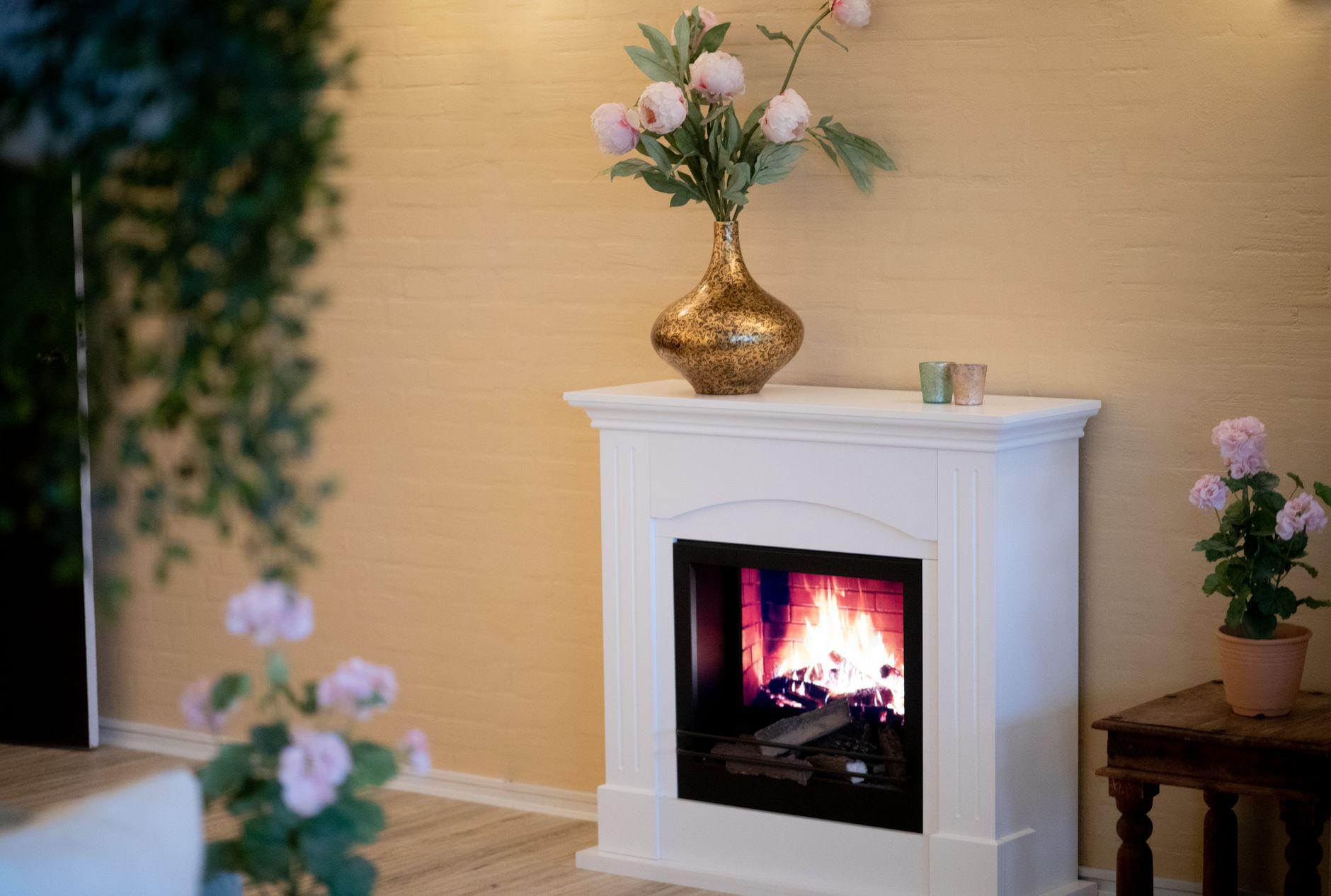


An insert is a heater that lives inside a chimney for the next fifteen or twenty years. Most of the work that decides whether it heats well and stays safe ends up hidden: the vent behind the trim, the plate at the old damper, the cap on the roof. A La Mirada owner comparing installers cannot see any of that on install day, so the comparison has to happen on paper first. These are the seven things we would want nailed down if we were the ones signing.
1. A visit before the price
Ask whether they will come out and measure. Insert models are picked to the inch: width at the front and back of the opening, depth, the height to the lintel, the clearance to the mantel above. A price given over the phone is for a unit that may not fit. We do not quote a unit without a tape across the opening.
2. The model, by name
The quote should name the make and model, its heat output and its fuel. "Gas insert, installed" is not enough to compare. With the model on paper you can look up its size, its clearance chart and its manual, and you can check that the box that arrives is the one you paid for.
3. The vent, with size and length
Every insert needs its own vent run to the top of the chimney. The quote should say what it is (two flexible gas pipes, a stainless wood liner, a narrow pellet vent), its diameter, its length and whether it is insulated. For wood, ask how the top of the old fireplace is sealed off around the liner.
4. A look inside the flue
Ask whether the flue gets a camera before the order. Fitting an insert is a change in how the chimney is used, and NFPA 211 calls for the deeper Level 2 inspection in that case. Ours costs $390. An installer who skips it is guessing at the state of the tile, the smoke chamber and the top.
5. Gas or power, named as its own line
Many fireplaces have no gas at the hearth, or have a log lighter valve of unknown age. Pellet units need an outlet. The quote should say whether that work is in the price, and who does it.
6. The permit question
Ask who pulls the permit and whether the fee is included. A new gas appliance and a new gas line usually need one in this area; the building office that covers the address has the final word. If the answer is "you don't need one" for a job with a new gas line, ask again.
7. Light-off and walk-through
The installer should light the unit with you there, check the flame, test the controls and show you how to shut it down. For gas, that includes a leak check on every fitting. You should leave knowing where the shutoff is and what the manual asks of you each season.
What decides the price, and the next step
Once those seven points are on paper, the price follows from them: the model, the vent length, the supply work, the finish and any chimney repair the camera calls for. For a sealed gas unit in your present firebox, our installed range is $2,750 to $5,550. A gas fireplace framed into a wall with no chimney runs $4,450 to $8,900. Wood and pellet units get a written number after measuring, because the model drives so much of it. Our insert cost guide shows where each dollar goes.
Set up a measuring visit and tell us the fuel you want and whether there is gas or an outlet near the fireplace now.
Signs a quote needs a second look
- One number, no line items.
- No model named, or "or equal" in place of a model.
- No mention of the vent or liner.
- No visit, just a price from a photo or a call.
- A promise that no permit is ever needed.
None of these mean the installer is dishonest. They do mean you are comparing quotes for different jobs.
What the install day should look like
Ask any installer to describe the day itself. The answer tells you a lot. A careful crew covers the floor from the door to the hearth, protects the brick face and the mantel, and works from the roof and the firebox at once so the vent meets the unit without being forced. Old doors, screens and grates come out and leave with the crew unless you want to keep them. The trim goes on last, after the unit has been lit and has run long enough to show a steady flame.
For a wood or pellet unit, the first fire should be a small one with the installer present, so any smell from the new paint burning off is expected rather than alarming. For gas, the crew should leave the manual, the model plate visible behind the trim, and a note of the vent size in case anyone else ever services it.
What we put on ours
Our quotes list the unit, the vent, the supply work, the trim, the permit and any chimney repair as separate lines, so you can see exactly what each part costs. Our inserts page covers what the install day looks like, and the gas logs page covers the lighter option if a full insert is more than you need.
We install across La Mirada, Whittier and Lakewood. When you have a fireplace you want working as a heater, send a short note through the contact page and we will come and measure.
Turn the Guide Into a Plan
Braxton Chimney Works measures the opening, checks the flue and writes the upgrade options side by side before anything is ordered. The contact page books a visit in La Mirada, Whittier, Lakewood or a nearby town.